Issue 1 - Carved From Stone

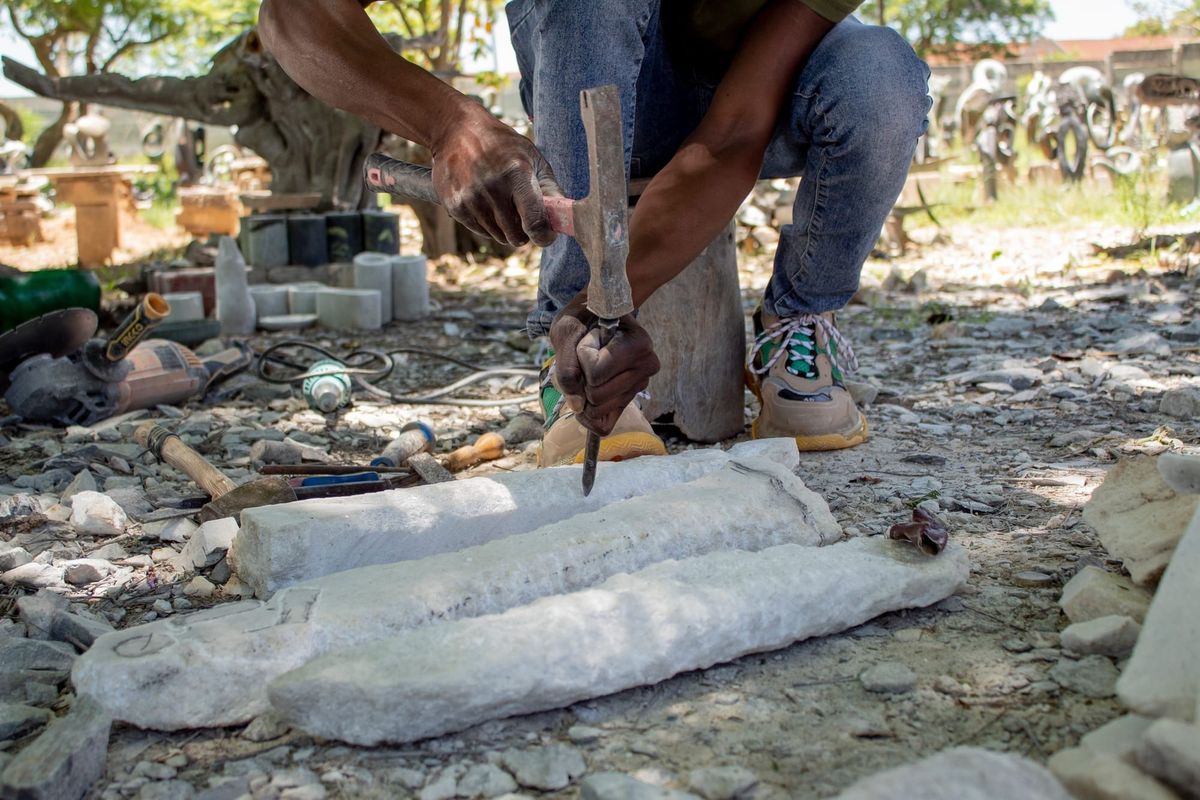
When I moved to the UK from Zimbabwe three years ago, I felt the quiet weight of losing my creative ecosystem. Looking back at my camera roll from my years in Zimbabwe, my life had been an endless cycle of creating, collaborating, and celebrating the work of incredible artists and artisans.
During my time working with different people and organizations concerning themselves with narriative change , I experienced firsthand the transformative power of art—not just to tell stories, but to reshape narratives, reclaim pride, and hold a mirror up to our beauty.
The African Diaspora Edit is born out of a personal search for creative community and a desire to bring a dose of home to others on the same journey. It is a space where my original documentary photography meets a curated spotlight on the brilliant work of African artists, event organizers, and founders across the UK.
We are here to build a living archive, carve out of the stone of stereotyping what we would like to be remembered for and remind every reader that being African is an identity to carry with immense pride—wherever in the world we find ourselves.
So let's get into it.
What's on in September
- Africa Film Festival
Cardiff's Chapter Arts Centre hosts Watch Africa from 11 to 13 September, with a weekend that reaches well beyond the cinema seat. My Father's Shadow opens the festival, followed by a programme of films, dance, a market and an African storytelling workshop with Bevin Magama. It is a lovely combination for anyone who likes a cultural day out with room to try something as well as watch. Pick a screening, explore what else is happening and leave some time for the conversations that follow a good film.
11–13 September 2026 · Chapter Arts Centre, Cardiff
Price Varies by event; check programme
- The World Press Photo Exhibition
World Press Photo is 71 years into finding and showcasing the most profound documentary photography stories from around the world, and yes the Africa category is a must see. Every year they host a competition and the winning stories are taken on a travelling exhibition. For one month from August 31st, the exhibition lands in London. If you can't make it in person, its worth simply going through the stories online , you may learn something unexpected and grow a new understanding of your fellow man.
August 31 - Septemeber 30th , MPB Gallery, London Adult tickets from £13.50
- Cotswold Sculpture Park and Zimbabwean Stone Sculpture
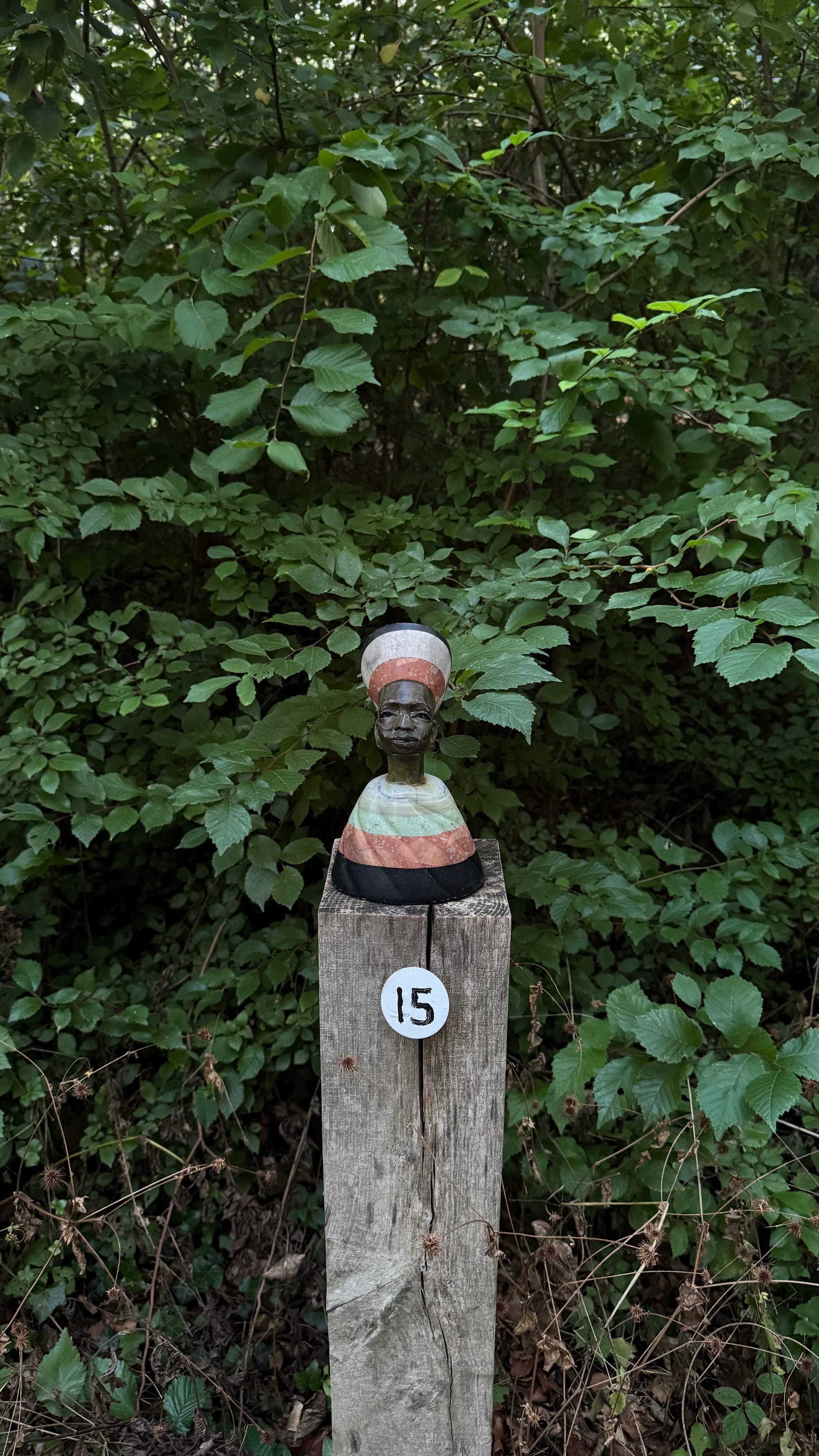
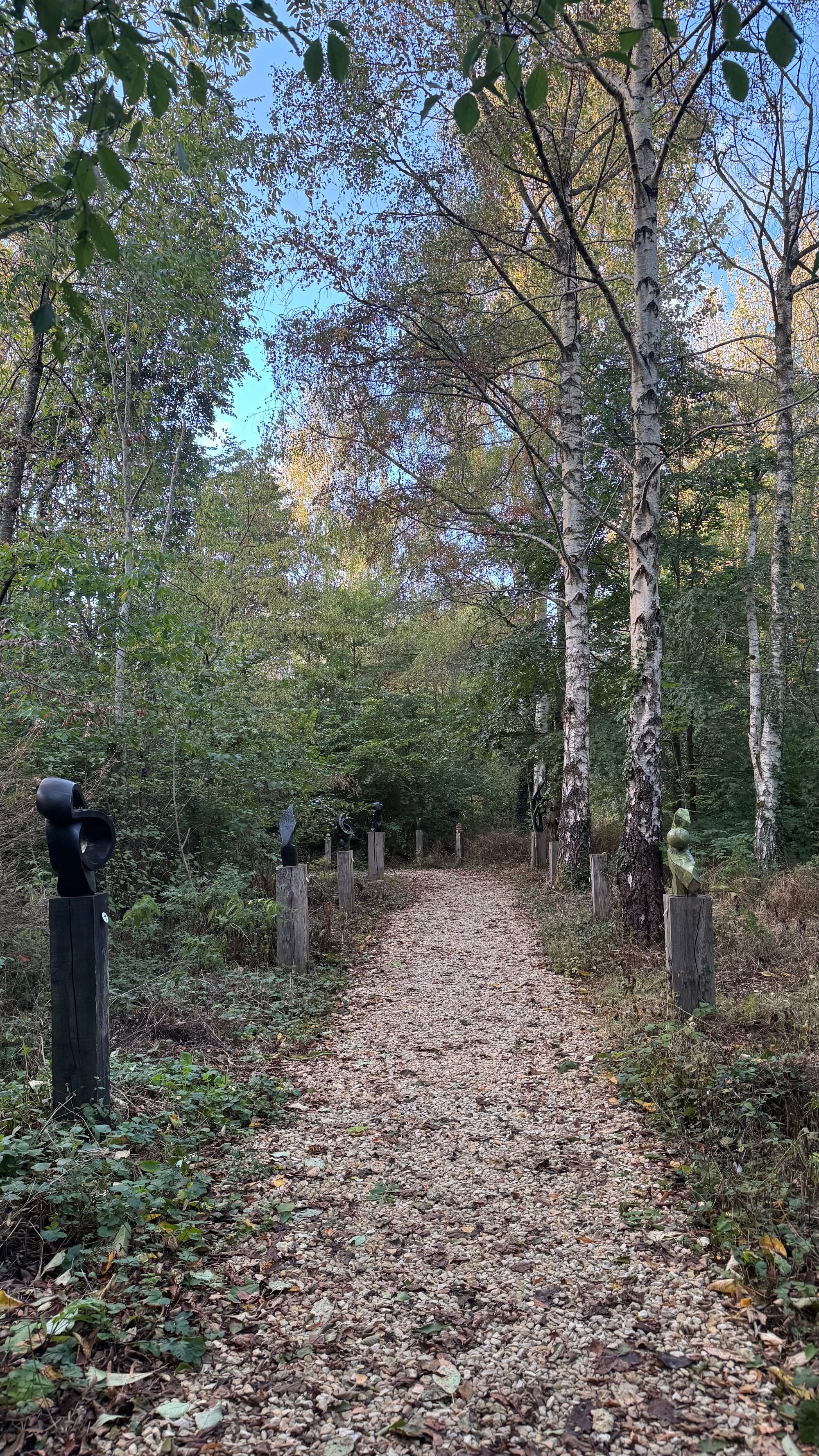
© Wonai Haruperi
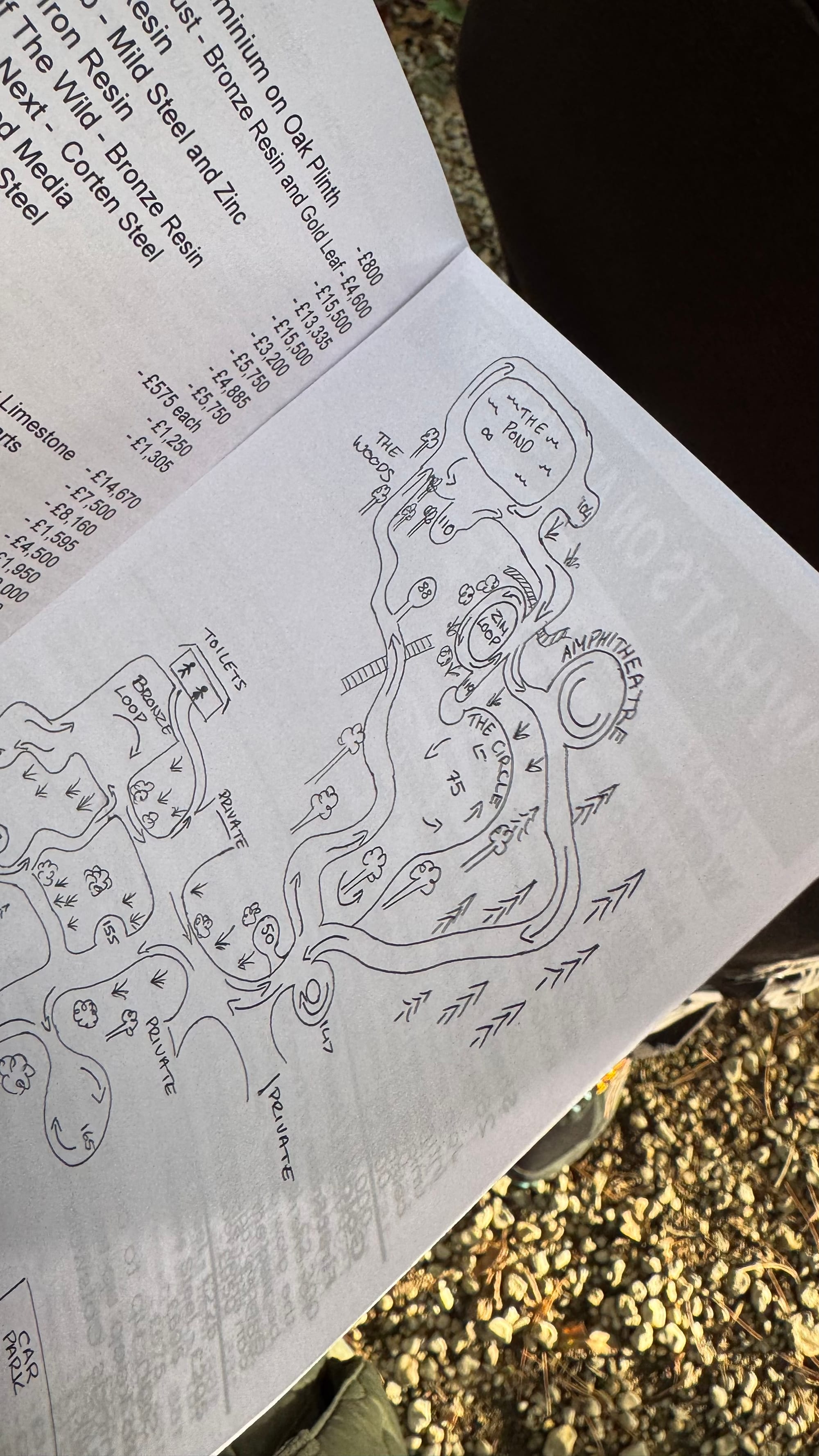
In the Gloucestershire countryside, the Cotswold Sculpture Park holds a little connection to Zimbabwe. Among the works in its gardens is a collection of 24 Zimbabwean stone sculptures, found in the "Zim Loop", making this a lovely continuation of our Carved From Stone theme. There is something special about seeing the shape an artist has found inside a piece of rock, and the patience it took to bring it out. September is the last month of the park's regular season, so this is one to make time for soon.
September 2026, on regular opening days · Cotswold Sculpture Park, near Cirencester
£10 adult; £8 senior; £7 ages 5–14
- Zana Masombuka / Spotlight: Benji Reid
At October Gallery in Bloomsbury, two photographers offer very different ways of looking at Black life. South African artist Zana Masombuka draws on her Ndebele heritage to explore identity, ritual and the relationship between land and memory. Alongside her work, Benji Reid's extraordinary self-portraits bring vulnerability and imagination into the frame. If you love photography that gives you something to sit with, leave a little time for this one. The exhibition runs until 3 October, with plenty to spark a conversation afterwards.
3 September–3 October 2026 · October Gallery, Bloomsbury, London
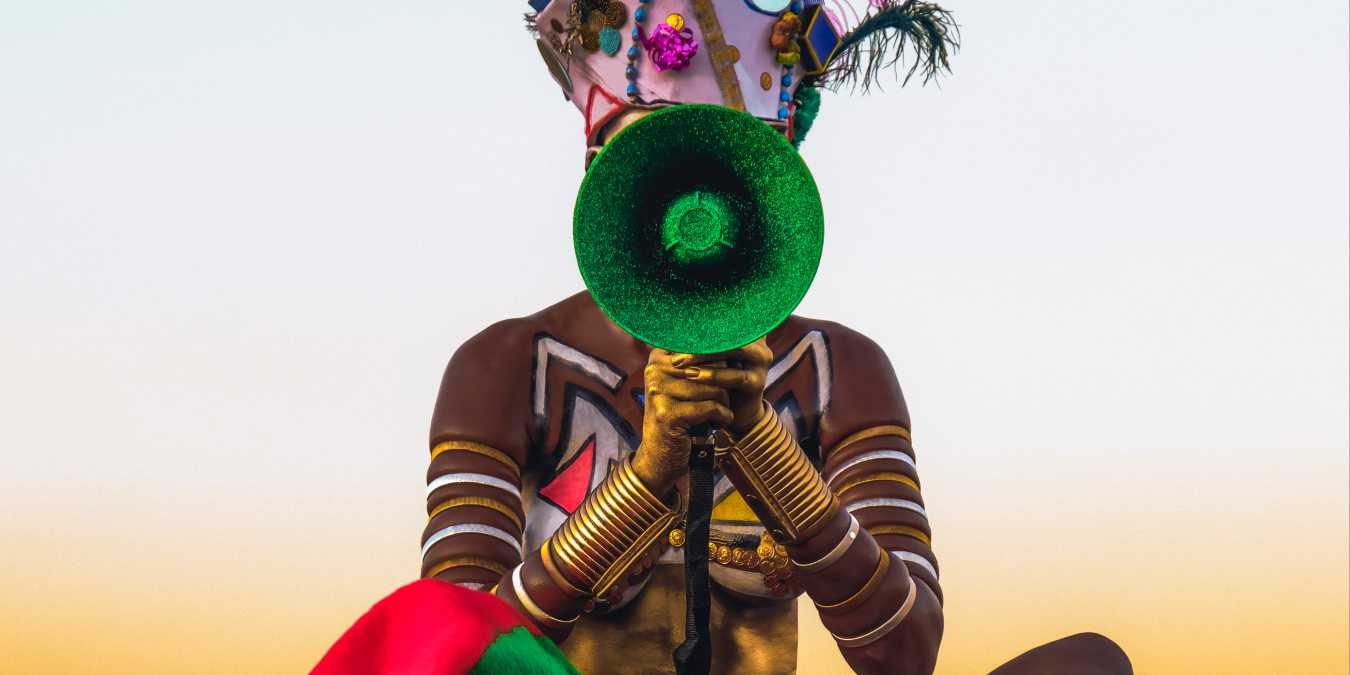
- Isintu Festival
There is something to be said for a day that gives music, food, dance and storytelling equal room. On 26 September, Isintu Festival brings all of these to Newark Showground, with African heritage and community at the centre. The organisers describe Isintu as culture, identity and a way of life, which feels like a good starting point for a gathering. Bring the family, leave space for the food and take the opportunity to spend a little time around the traditions people are keeping alive here in the UK.
26 September · Newark Showground, Newark, Nottinghamshire
Tickets from £30
Opportunities for African creatives
Sometimes the next step is a place to show your work. Sometimes it is the money, time or community to keep making it. Here are some openings worth looking into, from support for artists of colour in the UK to calls that reach back to the continent. Click the links in caption for more details on how to apply to each.
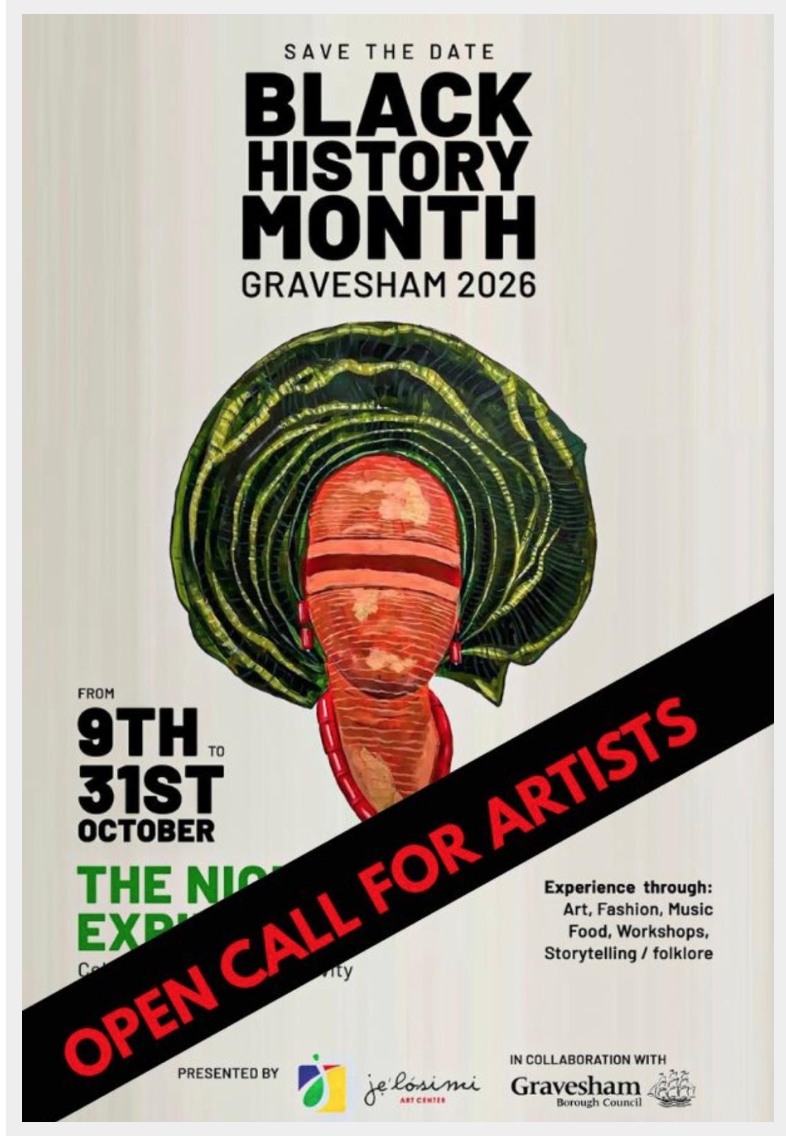
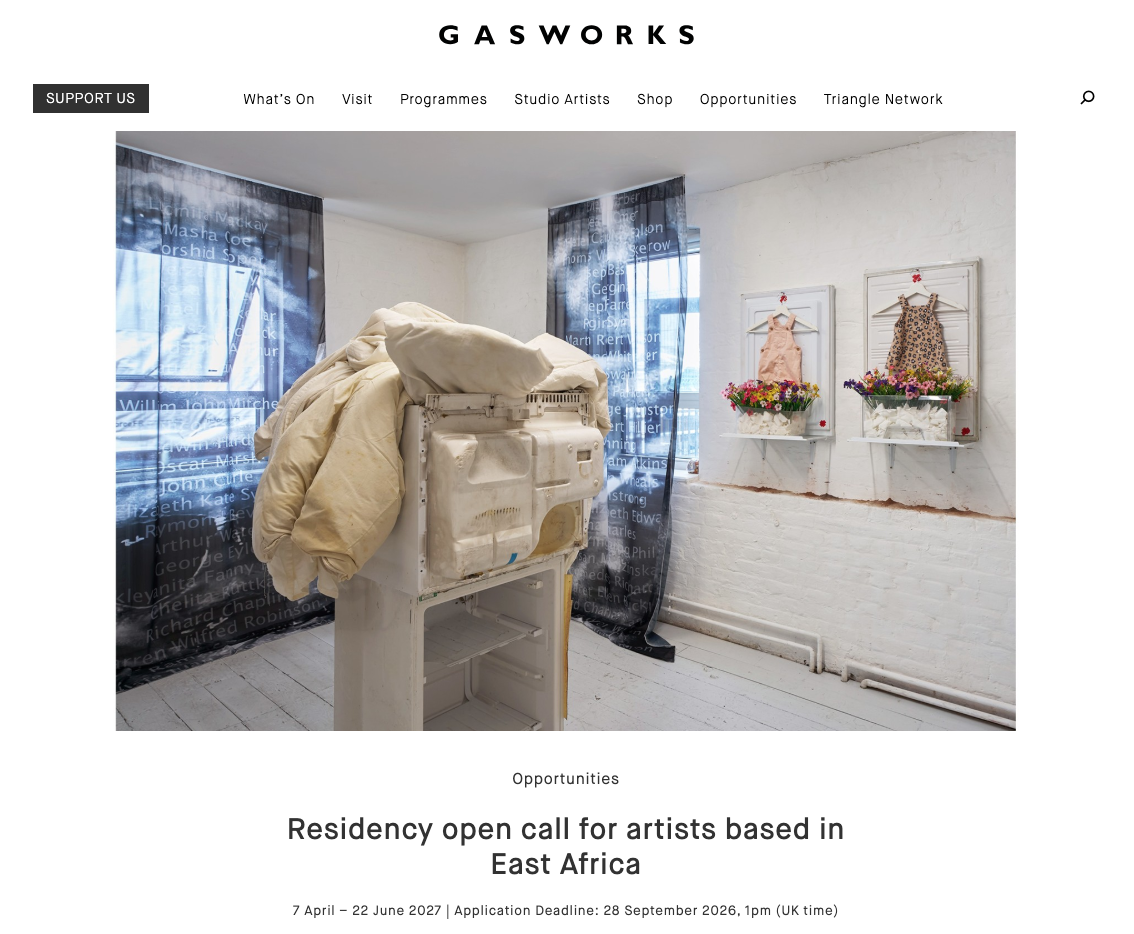
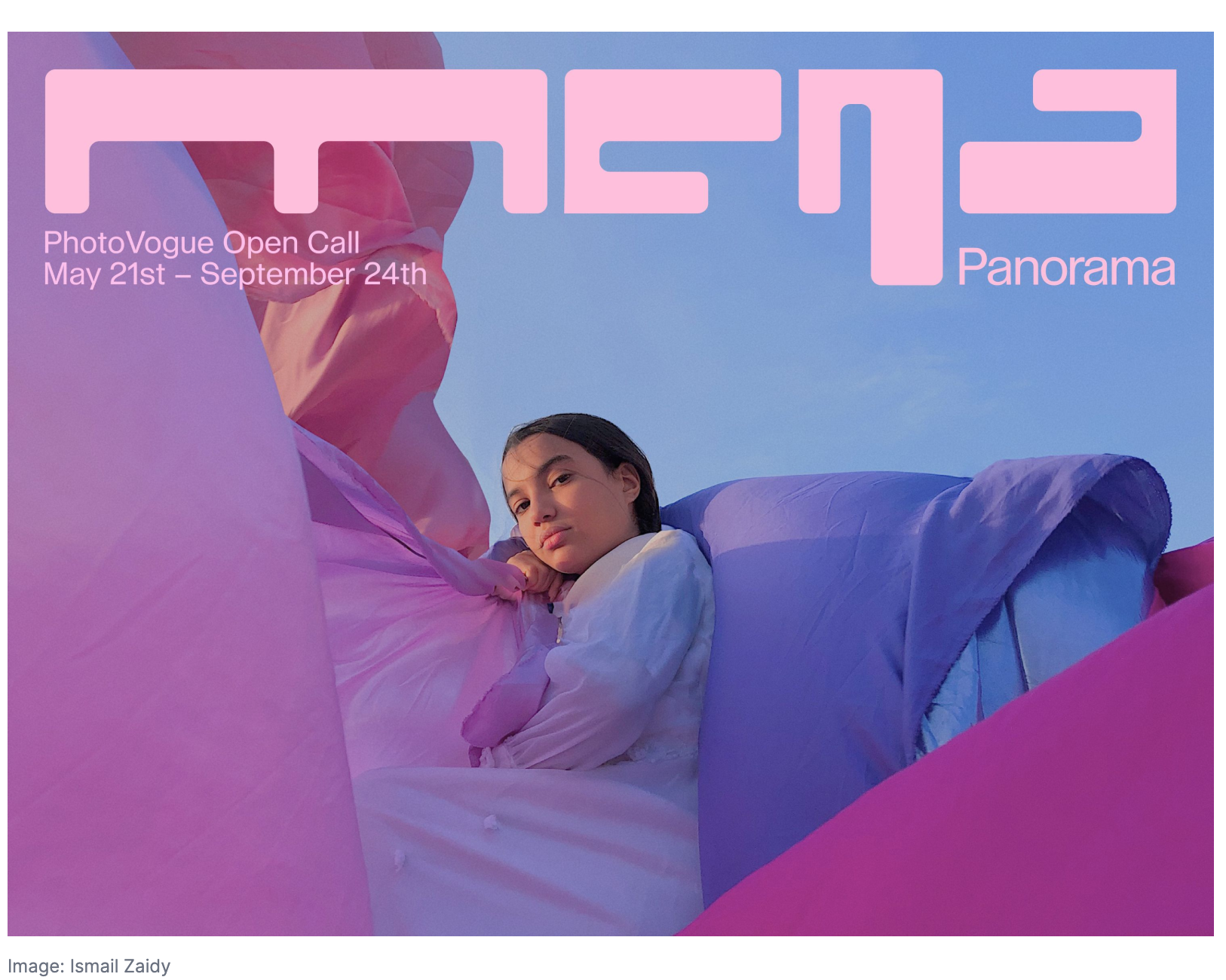
1. The Nigerian Experience — Gravesham Black History Month open call 2. PhotoVogue — MENA Panorama 3. Gasworks — London residency for artists based in East Africa
Random Short Story I
Random Short Stories is a series I started a few years ago to explore concepts and questions that have come up in my mind as I learnt more about my family history and reflected on my experiences growing up in Zimbabwe. As a photographer who favors documentary form I used this as an opportunity to explore these topics and shared the resultant photographs to invite dialogue and gain perspective around them. Some were funny and light hearted and others confronted difficult histories and anecdotal truths. I continue this series here to explore, share and archive my own and the diaspora experiences of others.
One of my early stories was titled The Secret Life of Movers.
“A photographic journey of Immigration and Identity”. An exhibition description that brought to mind my own family. The journey of how my family home came to be in Harare, Zimbabwe. How our Zimbabwean identity is finely threaded together with a history of movement, separation, reunion, leaving and returning. How place, language and traditions shaped a Zimbabwean identity a little different to that of my peers growing up.
While the migration of Zimbabweans is often associated with the brain drain to the UK, Canada, Australia and USA as a result of economic dysfunction in the early 2000s, my family’s history of movement is reflective of all possible motivations to move - political unrest in the 1950s, marriage, education, better employment in a new Zimbabwe in the the early 90s and return to place of birth.
My brother and I continue this legacy of movement for our own reasons and for the betterment of our own lives. With this photographic story I pay homage to the strength, courage and selflessness those before us had to pick up and start again (many times), to leave everyone and everything they knew for the want of a better tomorrow - our today.
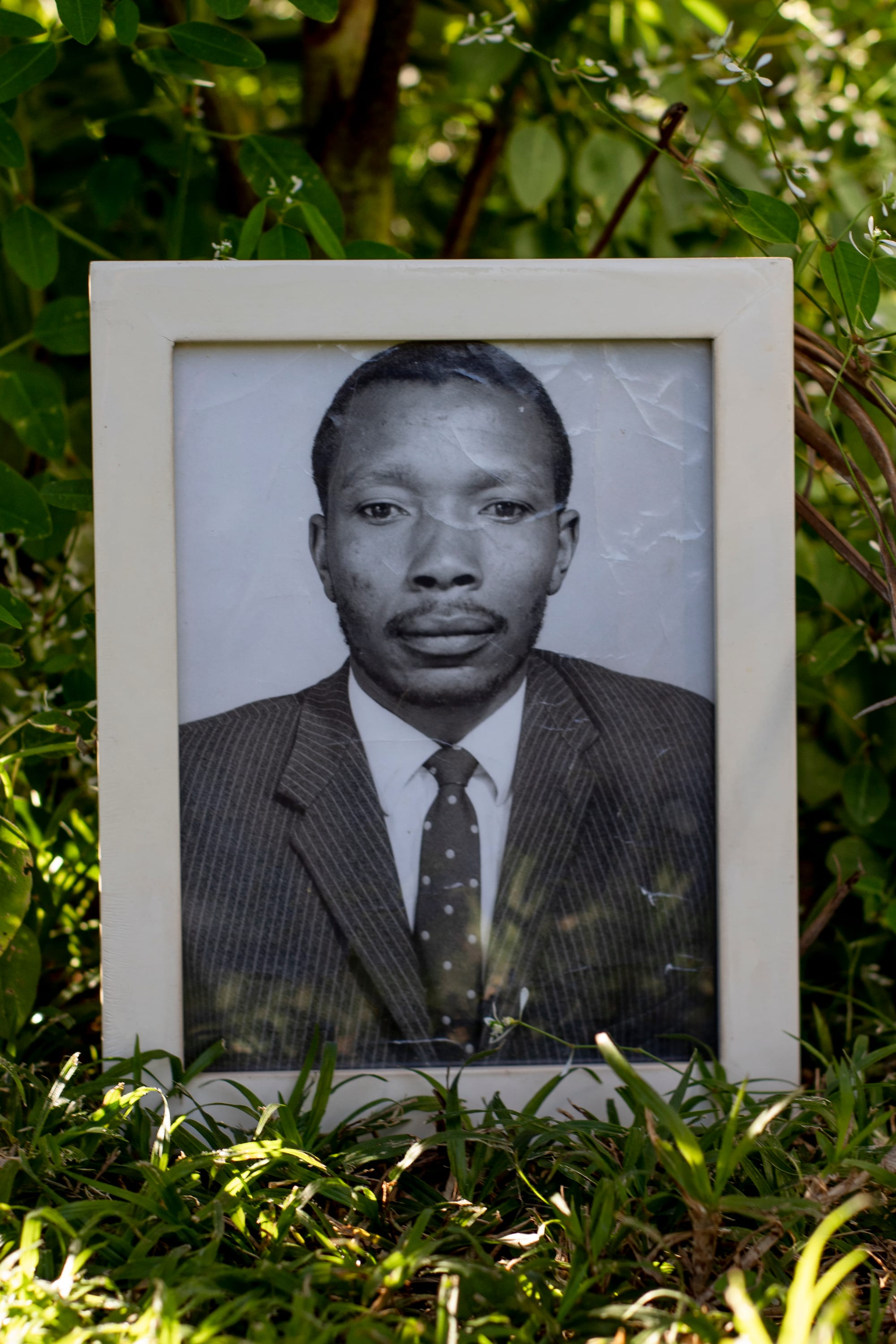
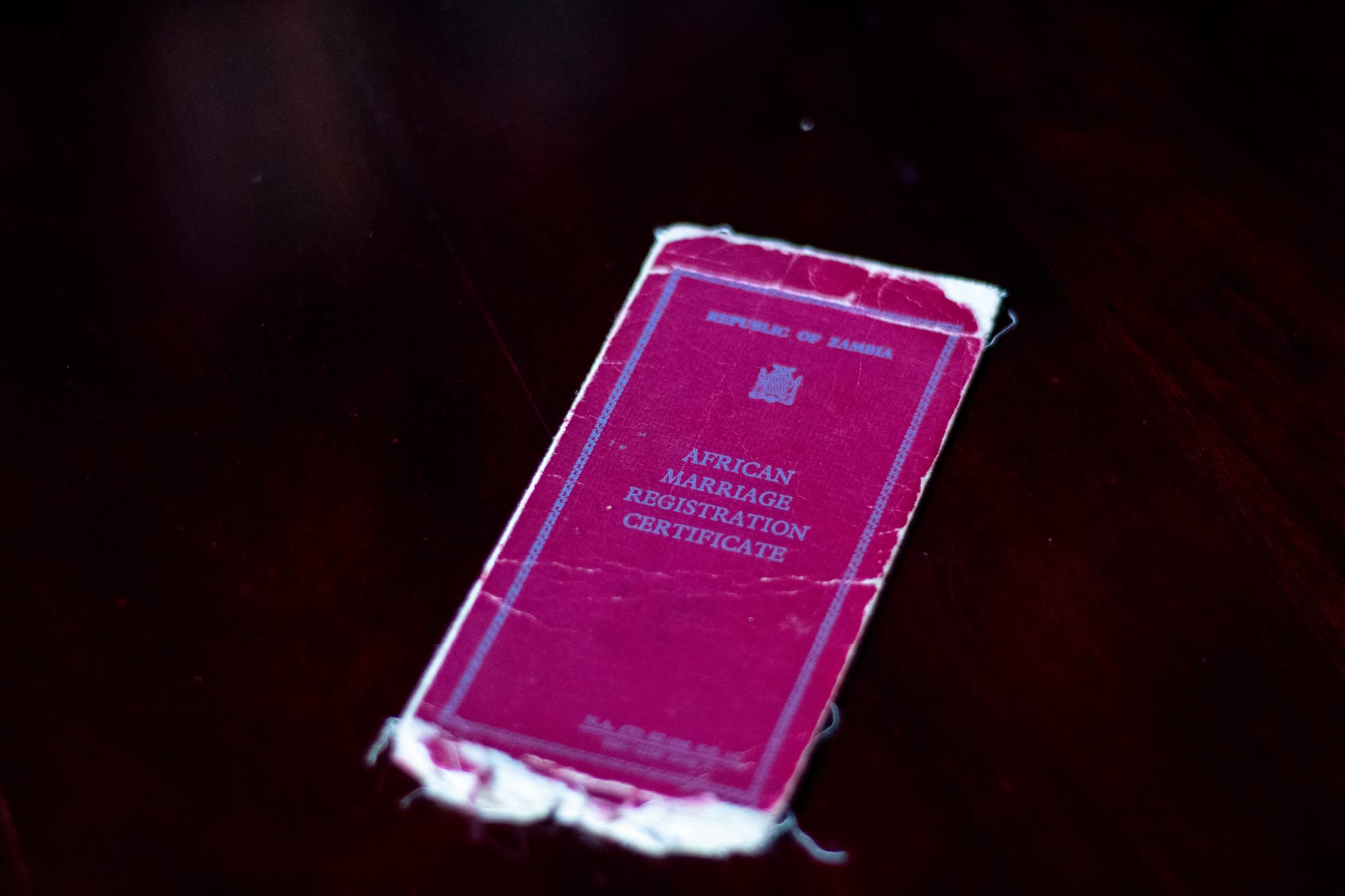
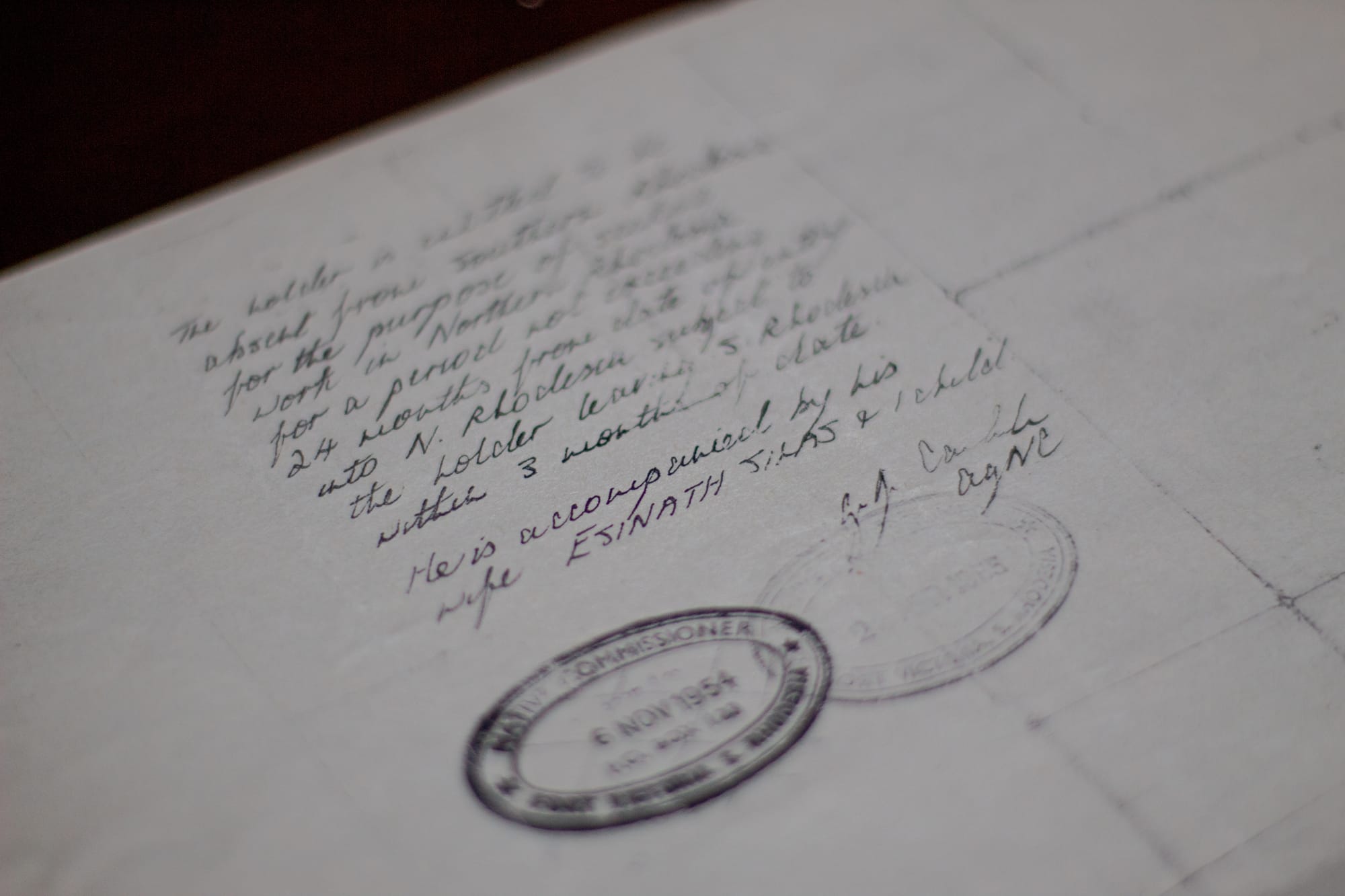
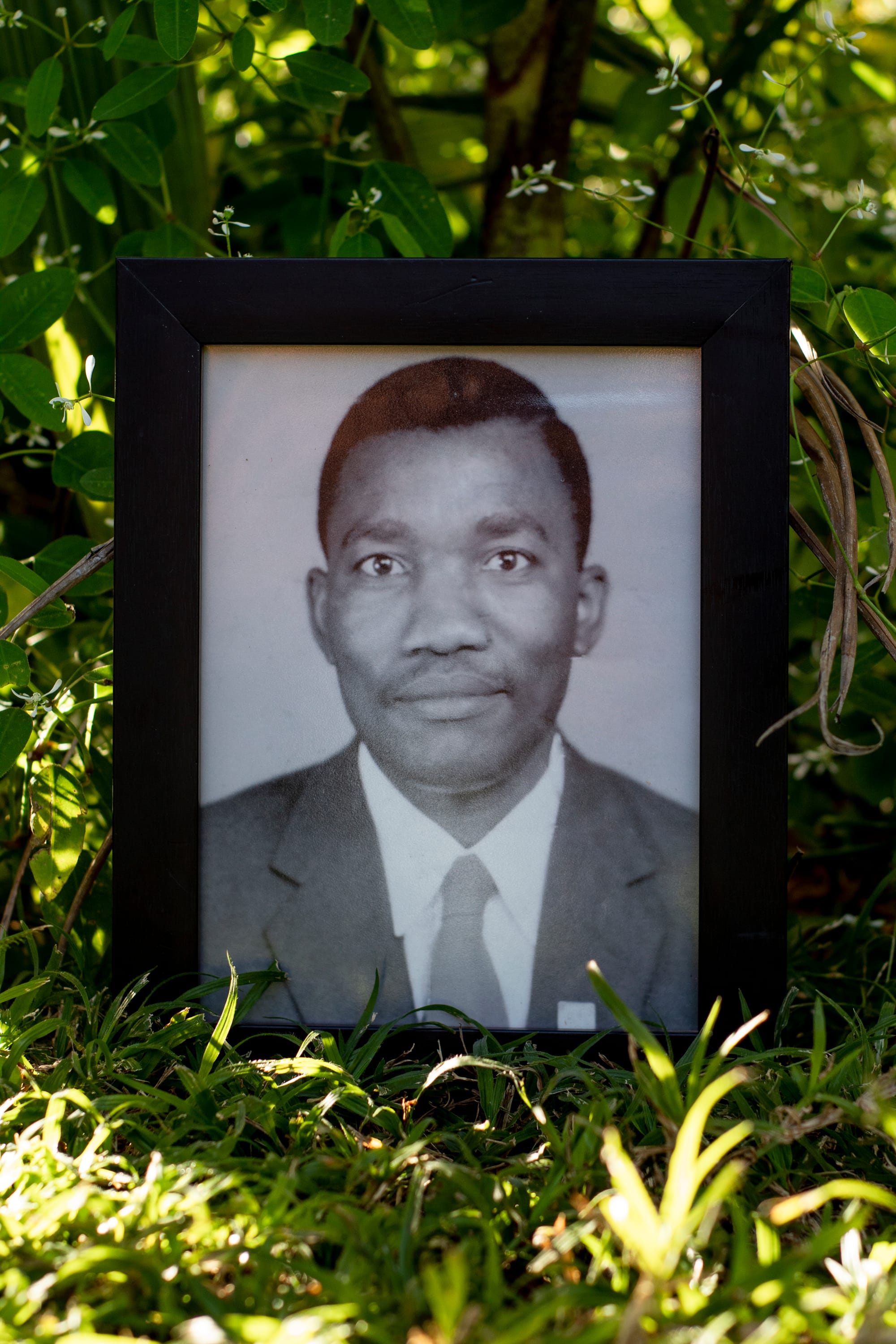
My grandfathers left Southern Rhodesia to seek their fortunes in the north and eventually became citizens of Zambia, taking their families with them - they never returned.
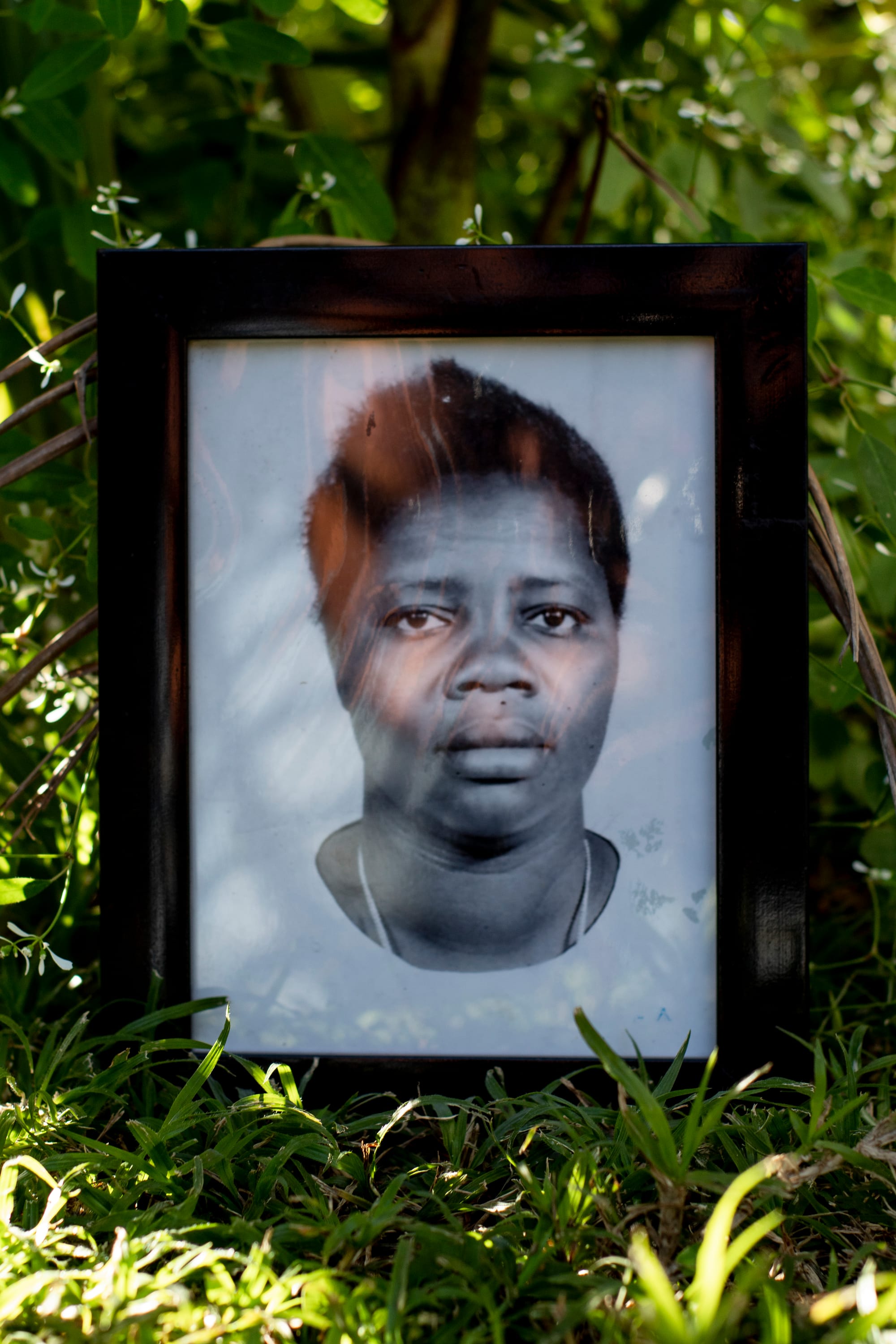
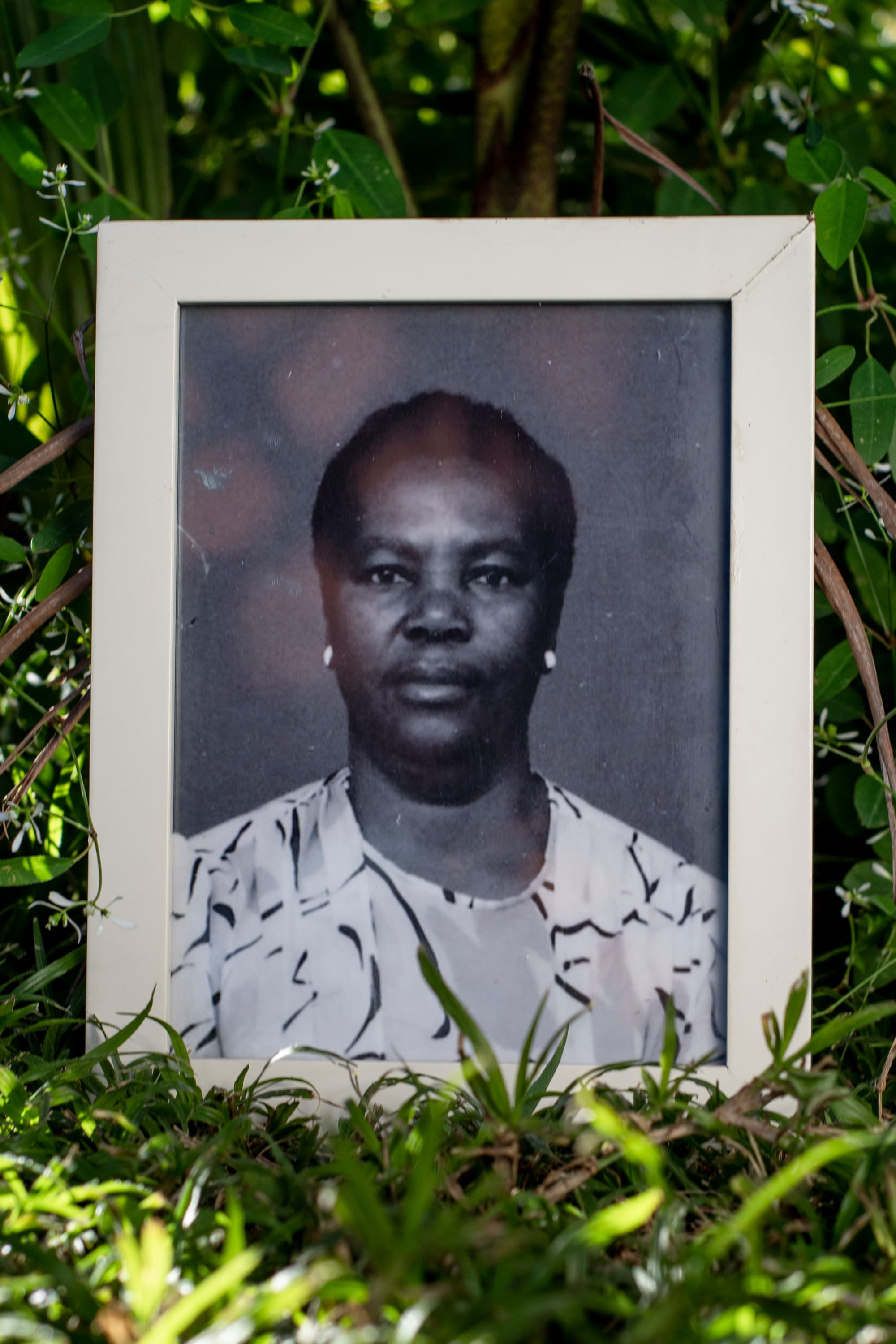
My grandmothers moved back to a liberated Zimbabwe in the 90s to spend their final years in their childhood homes.
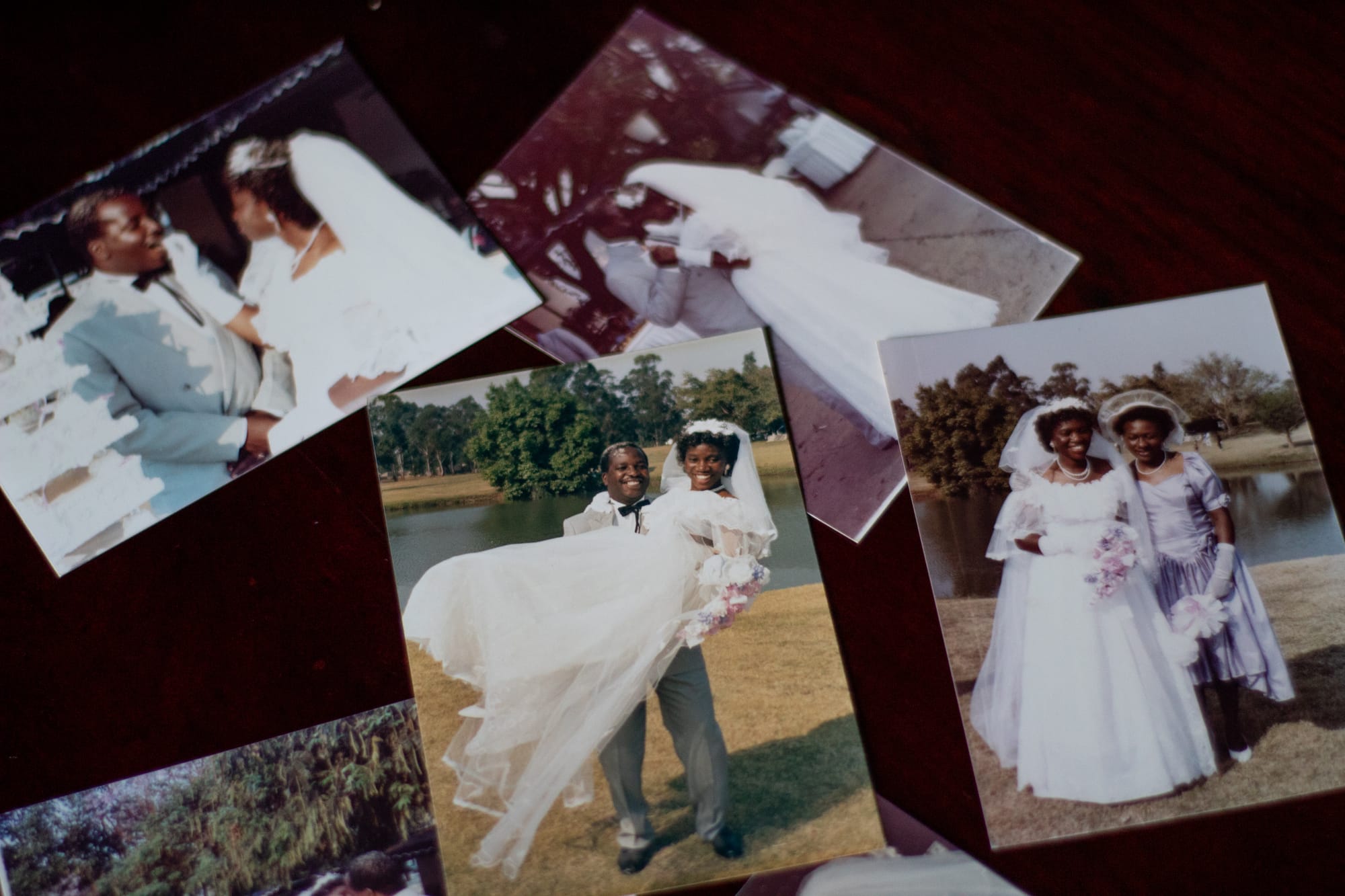
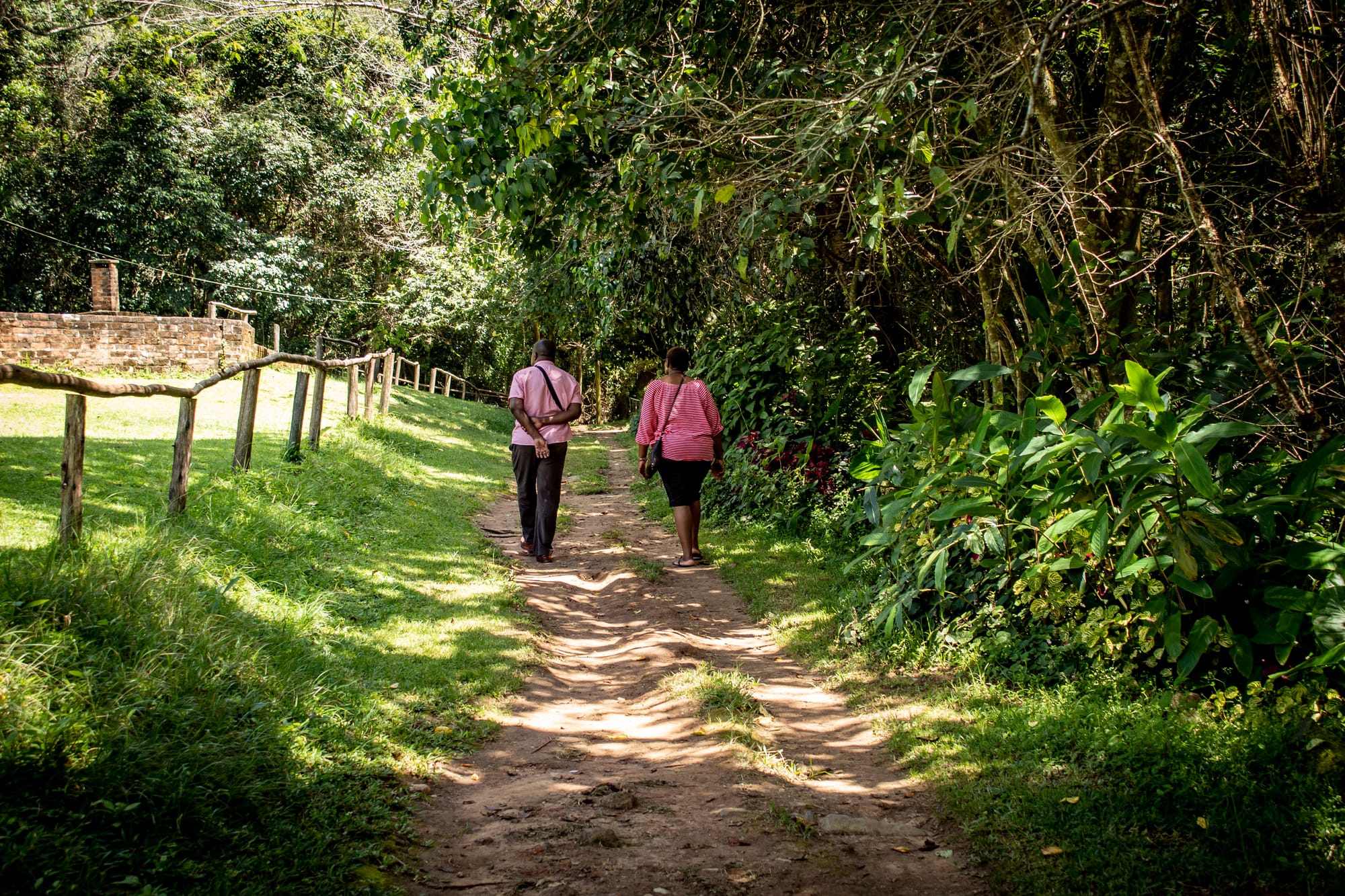
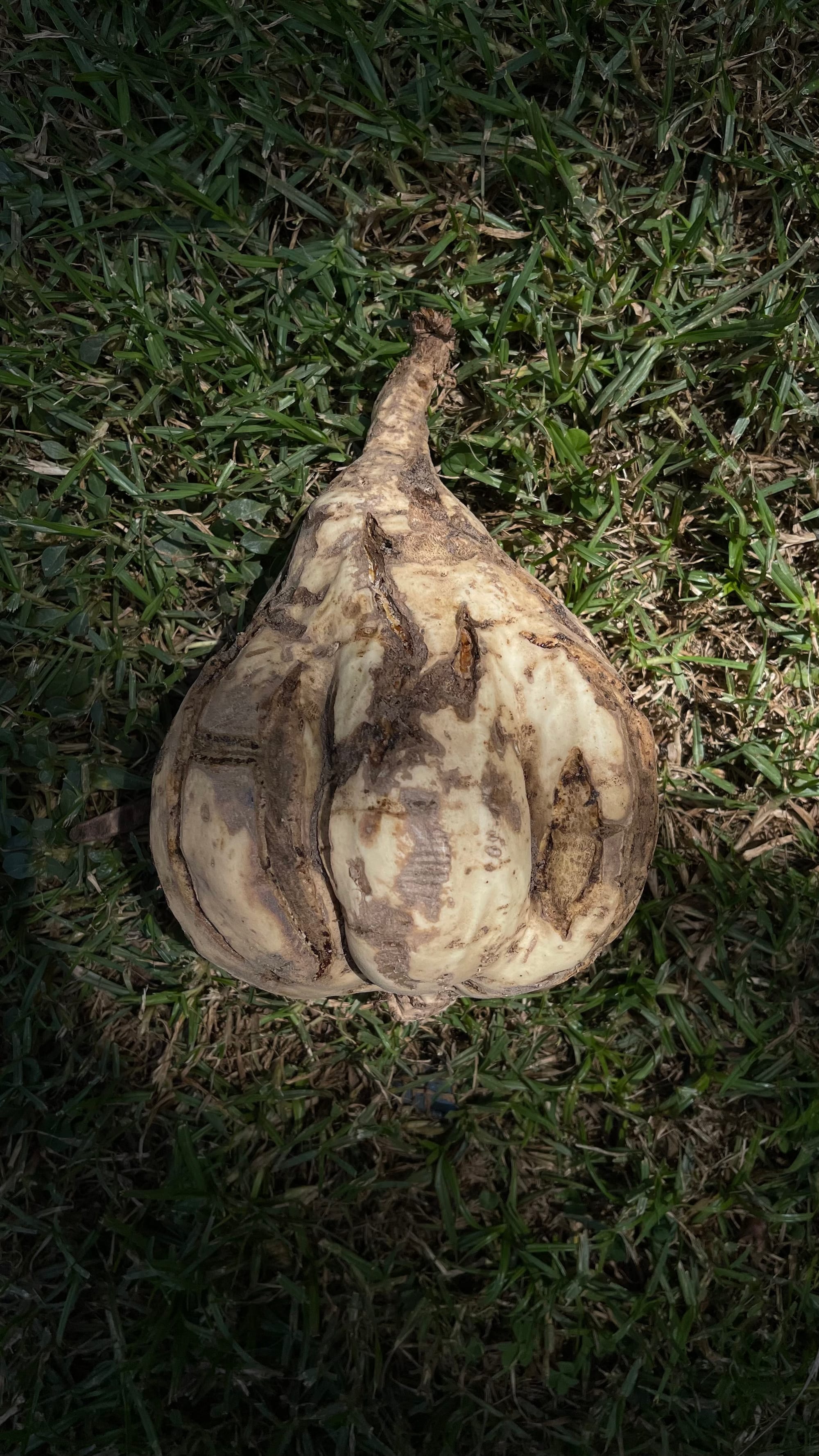
My parents and grandmothers brought the languages, food and traditions familiar to their formative years with back with them. Almost without realising, they created a blended identity for our family going foward but one that is not unique to our Zimbawean family only. I was 7 before (through playground teasing) I learnt the Shona word for sweet potato was not in fact "kandolo" as my parents called it, but "mbambaira".